

In today’s rapidly changing digital era, companies are constantly looking for ways to adapt and maintain their presence. They are also striving for success in an increasingly connected world. Digitization has proven to be a powerful instrument for streamlining operations, improving the customer experience, and driving growth. As a technology-focused software company, STRG understands the value of digitization for business growth and places equal emphasis on its potential to revolutionize companies through digital means. In this article, we want to provide a comprehensive overview of the steps involved in digitization for companies, with a focus on the executive level and the transformative power associated with it.
Step 1: Developing a clear vision and capturing the status quo
This includes integrating digital technologies into various business functions and processes. Before embarking on the digitization journey, it is advisable to capture the current as-is state and define a clear vision. This includes analyzing all existing systems, infrastructures, and the company’s general capabilities. It is crucial to align the digitization strategy with the overall business objectives and to identify the areas where digital transformation can have the greatest impact. Look for opportunities where digitization could streamline operations, reduce costs, or increase productivity. This assessment helps to understand digital gaps and lays the foundation for future improvements. Involve key stakeholders from different departments and levels of the company in order to gain a holistic perspective. Conduct interviews, surveys, and workshops to understand their problems and challenges.
Digitization refers to the conversion of analog data or processes into a digital format, enabling companies to use technologies and data-driven insights to optimize their operations, increase efficiency, and deliver greater value to their customers.
Step 2: Building digitization teams and culture
To drive the transformation process, a dedicated digitization team must be formed. This team should consist of people with different skills, including technology experts, data analysts, project managers, as well as creative and other subject-matter experts. Collaboration between different departments and stakeholders ensures a holistic approach to digitization. Digitization involves significant changes within a company. A well-defined change management strategy is therefore essential to address potential resistance and ensure a smooth transition. Effective communication, training, and continuous feedback mechanisms help employees embrace the change and adapt to the new digital environment.
Digitization is not only a question of technology, but also of fostering a digital mindset and culture within the company. Establishing a digital culture is therefore one of the most important steps in digital change management.
This includes promoting innovation, agility, and adaptability to change. Digital skills development programs and training can help employees adopt digital tools and technologies, enabling them to contribute effectively to digitization. In addition, companies should define specific digital initiatives that align with their strategic objectives. These could include the following measures:
the automation of manual processes,
the implementation of data analytics and business intelligence tools,
the introduction of cloud computing, the use of artificial intelligence and machine learning,
the improvement of cybersecurity measures, and
the development of personalized customer experiences via digital channels.

Step 3: Focus on data-driven decision-making
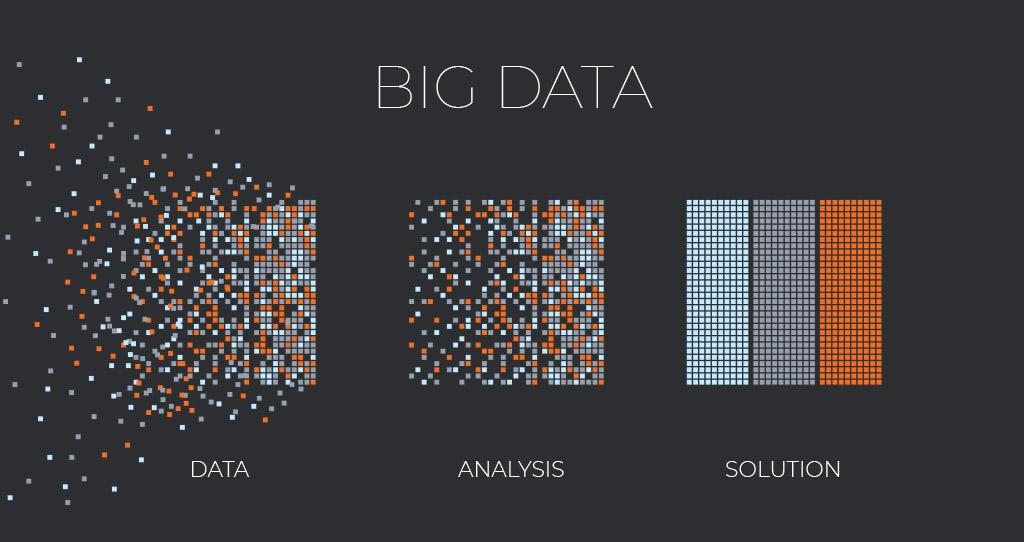
Data is at the heart of digitization. Establishing robust mechanisms for data collection and implementing analytics capabilities to generate actionable insights are crucial. By using data, companies can make informed decisions, identify trends, optimize operations, and improve the customer experience. Data protection and data security should also be given the highest priority throughout the entire digitization process.
How can we put all of this into practice? Within the scope of our expertise and the type of clients we work with, we would like to provide two interesting examples of how data-driven decisions work in real business operations.
Content performance analysis: By collecting and analyzing data on content performance, such as page views, engagement metrics, and user feedback, publishers can gain valuable insights into audience preferences and behavior. They can identify the most popular content topics, formats, and distribution channels. This data-driven analysis helps shape future content, optimize promotional strategies for content, and maximize audience reach. For example, through data analysis, a publisher may find that video content generates higher engagement for a specific target audience segment than written articles. This insight can prompt the company to produce more video content and allocate resources accordingly.
Personalization and Recommendation Engines:Data-driven decision-making enables companies to provide users with personalized content recommendations. These recommendations can be based on factors such as browsing history, reading patterns, user demographics, and interactions with social media. For example, a news website can use data analytics to understand a user’s interests based on their previous reading habits and recommend relevant articles or related topics of interest. This personalized approach increases user engagement, increases time spent on the website, and improves user satisfaction.
Optimized delivery channels: By analyzing historical transport data, logistics companies can identify patterns and optimize delivery routes. Factors such as distance, traffic conditions, fuel consumption, and customer preferences can be taken into account to develop algorithms that suggest the most efficient routes. Real-time data on traffic, weather, and road conditions can further improve route planning and dynamic adjustments. For example, a logistics company can use data from GPS tracking devices on its vehicles, historical delivery data, and real-time traffic information to optimize routes, minimize fuel costs, reduce delivery times, and improve overall customer satisfaction.
Warehouse management and inventory optimization:Data-driven decision-making can improve warehouse operations by optimizing inventory management and ensuring efficient use of space. By analyzing inventory data, demand patterns, and order history, logistics companies can accurately forecast demand, determine optimal inventory levels, and automate ordering processes. This helps reduce warehousing costs, minimize stockouts, and improve order fulfillment rates. For example, a logistics company can implement an inventory management system that is linked to real-time sales data, demand forecasts, and supplier information. By using data analytics, the company can automate inventory replenishment, identify low-demand items, and optimize the allocation of warehouse space based on item popularity and turnover rates.
These examples show how publishing and logistics companies can use data-driven decision-making processes to drive growth, optimize operations, and improve the customer experience in their respective fields. By using data effectively, companies can stay one step ahead of the competition and make informed decisions that lead to tangible results.
What are your next steps?
If you have identified at least one point as a potential challenge, then we should sit down and discuss the need! Digitalization creates significant opportunities for companies to develop, modernize, and succeed in the digital age.
If you follow these essential steps and work with STRG, your company can embark on a successful digitalization journey. As experts in this field, we have the knowledge and experience to guide you through the process and ensure that you make informed decisions that lead to tangible business outcomes. Contact us today to unlock the full potential of digitalization and use transformative technological opportunities for your company’s success.