
- CLIENT
- Gabriel-Chemie
- SECTOR
- Masterbatch
- SCOPE
- Supply chain · AI · ERP
- SINCE
- 2021
Supply chain automation & demand forecasting for a Hidden Champion.
strg.at:~$init --driven-by-humans --supported-by-ai
Gabriel-Chemie produces masterbatch at eight European sites and is a classic hidden champion of the European market. The board and ownership called for a comprehensive digitisation push. Since 2021 we have been their partner — from the initial advisory engagement all the way to AI and ERP integrations in production.
- 8
- Production sites across Europe
- 600
- Employees
- ~50
- Years of market leadership
- 8 → 2
- Weeks lead time (target)
About the client
Who is Gabriel-Chemie?
Gabriel-Chemie, founded around 50 years ago, is a leading manufacturer of masterbatch. The company produces plastic additives tailored to specific customer requirements at eight European sites. With its headquarters and largest production facility in Guntramsdorf, Austria — just south of Vienna — Gabriel-Chemie employs around 600 people.
 01
01The challenge
Eight sites on separate ERP instances, manual processes, duplicate production runs and a fragmented data base — at roughly 8-week lead times.
 02
02The approach
A sandbox culture, the PoC → MVP → Product pattern, and harmonising data within the running process rather than up front.
 03
03The outcome
Centralised supply-chain control, a demand-forecast model and digital twins in trial — carried by a culture of innovation.
What is masterbatch?
Masterbatch refers to plastic additives in granulate form, carrying higher concentrations of colourants and/or additives than the final application requires. They are mixed into the natural plastic (raw polymer) to colour it or to change its properties.
Strategic framing
Every business is a software business now.
We started with an advisory engagement to clarify the fundamental questions and strategic direction of a digital transformation programme for a family-owned industrial company.
This well-known quote by researcher Dean Leffingwell captures it well. Digital transformation is a C-level matter. It has to live in the management board. Sub-tasks can be delegated, but the responsibility stays at the top. If it is to succeed, it becomes a constant companion of the entire company.
What does that mean for a masterbatch manufacturer whose core business is running extruders, refining plastics, and producing specialised product foundations?
We set up a new department — affectionately nicknamed "Digi" — with a single core mandate: drive the digital transformation of the company. That means a radical rethink of production and business processes.
Digital transformation is the integration of digital technology into all areas of a business, fundamentally changing how you operate and deliver value to customers. It's also a cultural change that requires organizations to continually challenge the status quo, experiment, and get comfortable with failure.
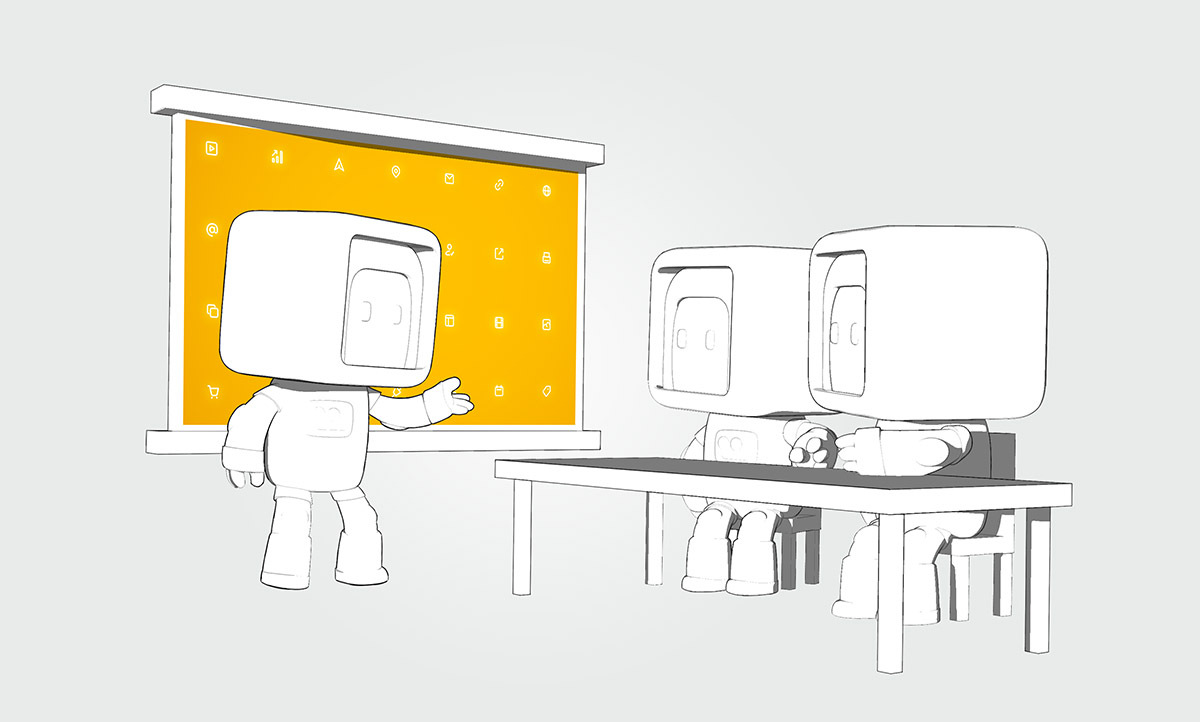
The point is to avoid disruption by unleashing your own disruptive force. Tomorrow's competitors will be different from the ones we know today. Against that backdrop we identify a company's core strengths and turn them into innovative projects.
This is also why we do not park digital transformation inside the classic operational departments. You need a playground where a different way of working can be enacted without endangering ongoing production. Projects start there, get tested, and are allowed to fail. Only once they prove themselves inside this "sandbox" do they get rolled out across the company.
Flagship project
Digital Control Center
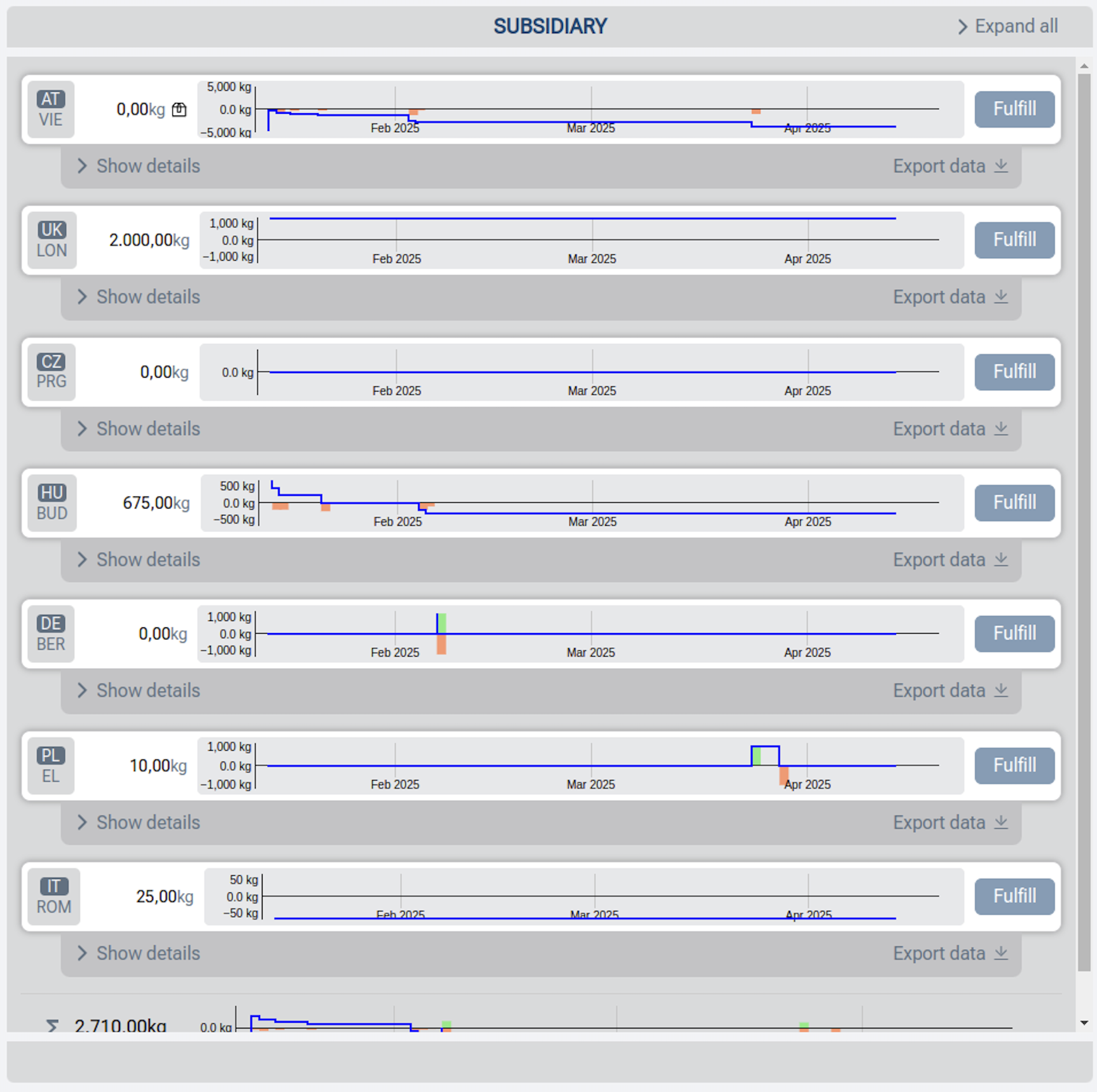
In the starting state, production and logistics systems at Gabriel-Chemie were shaped by different instances of the ERP system and manual processes. That led to challenges like duplicate production runs, inefficient communication, and a fragmented data base. The project's goal is to solve those problems with centralised control and automation — every site is integrated uniformly into the new system and its automated processes.
We started our development work with a flagship project: a planning application that in its final form fully automates the entire supply chain. We built a software layer that ties together every site's ERP system and enables central planning. All inventory and incoming orders are merged. The full production capacity is rendered in a single interface; jobs can be moved across a timeline from one site to another via drag & drop — and all required ERP processes fire automatically in the background.
Data consistency is non-negotiable for data projects.
It quickly became clear that each site operates different processes and uses the systems differently. Many companies face exactly this challenge. As long as operational processes work, employees have little reason to change their learned behaviour. In the course of digitisation, however, those processes and their effects have to be harmonised.
How we work
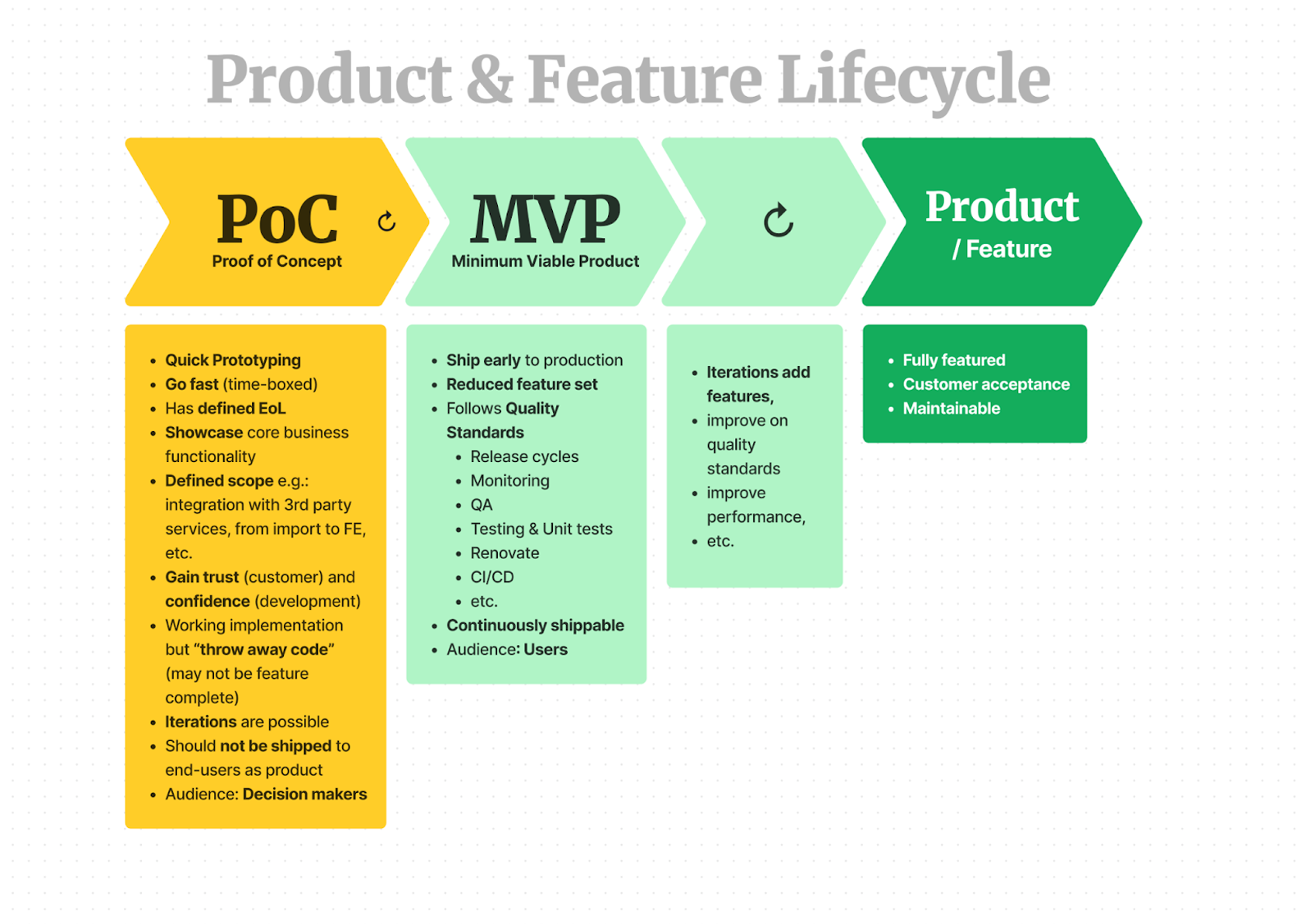
PoC → MVP → Product
Once the experimental mindset is alight, it becomes easy to find more projects where challenges get solved with modern software approaches. The process tends to follow the same pattern every time:
- Frame the problem
- Work out a solution approach
- Challenge the strategic goals
- Produce a rough cost estimate
- Run ROI considerations
- Build a Proof-of-Concept
This approach makes sure that the projects we tackle as part of digital transformation actually help the company — and can be tested with relatively little budget. A common challenge is that the data exists, but the PoC reveals that its quality does not support the desired outcome — or that the approach itself is fundamentally wrong. In most cases, though, you gain the certainty needed to take the project all the way to production with relatively little spend.
AI in production
Demand Forecast
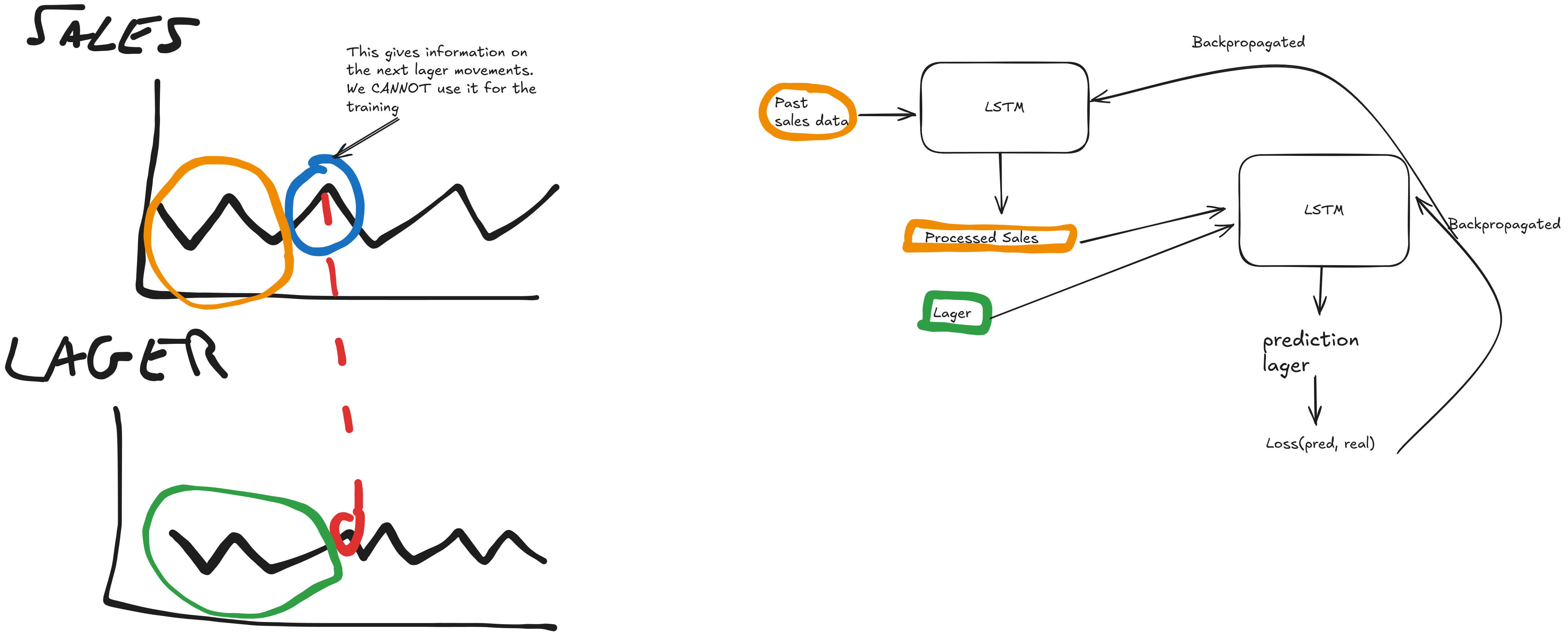
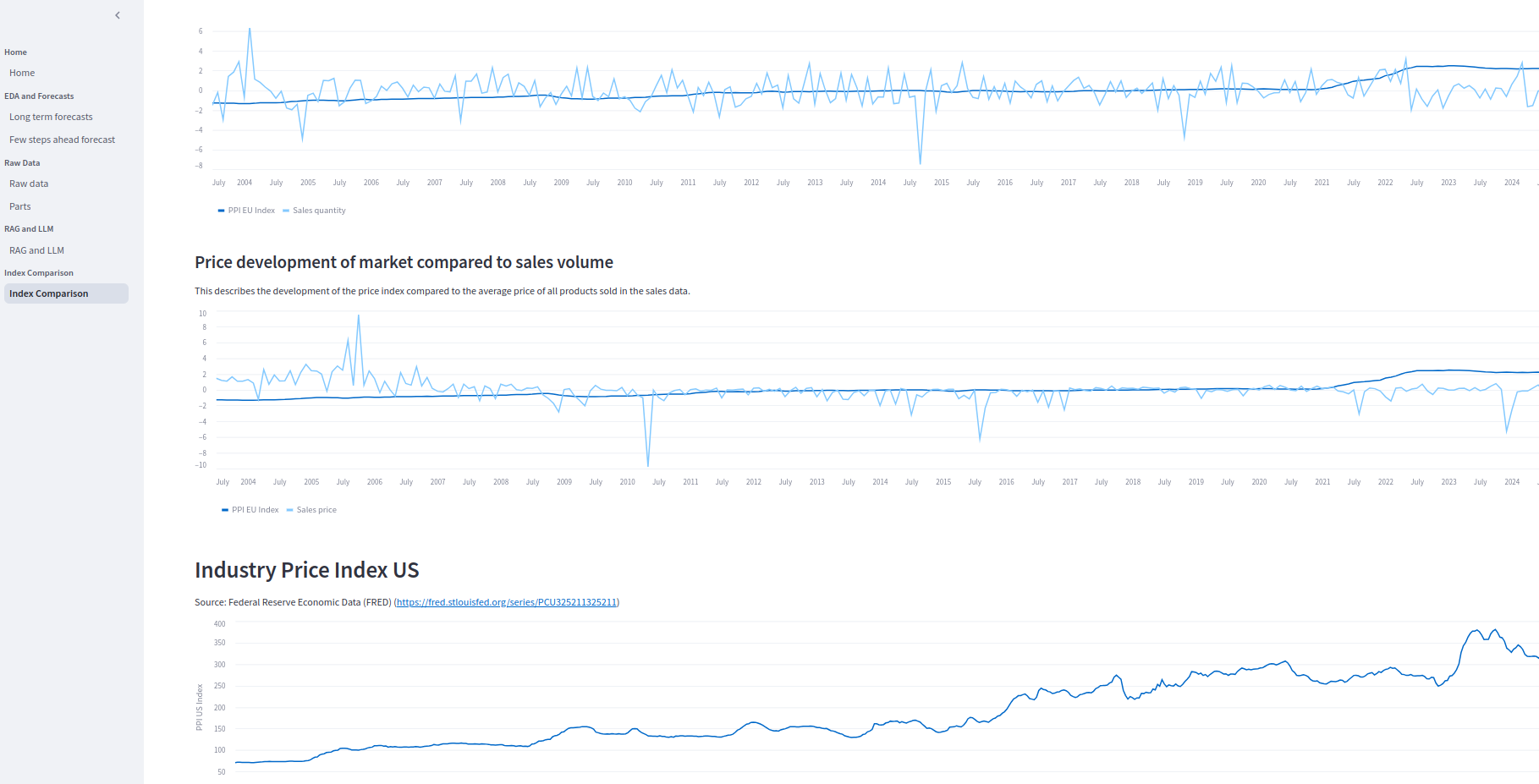
Customer lead times should drop from an average of 8 weeks down to 2 weeks. The catch is raw-material availability and the right inventory levels. The problem can be solved with a forecasting model — but since we cannot know up front whether the data supports it, experimentation is essential.
Impact
What digitisation moves
- 8 → 2
Weeks lead time
Target via the demand-forecast model.
- 8
Sites centrally controlled
One software layer across all ERP instances.
- 10
Years of data in the model
Inventory, sales and production as a time series.
- 10+
Projects in the pipeline
In the newly created Digi department.
Publication
AI solution for e-commerce
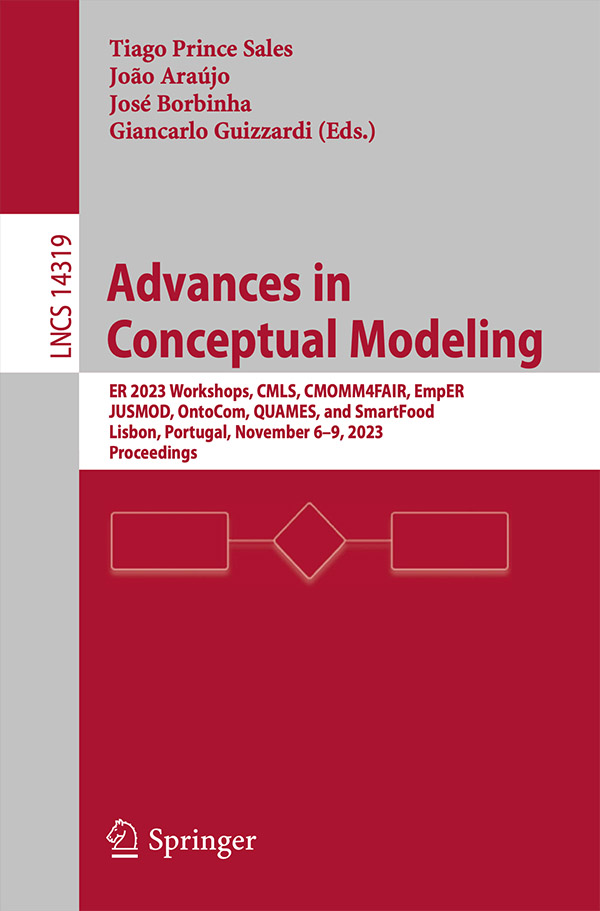
Our research was published in "Advances in Conceptual Modeling" and presented at the ER International Conference on Conceptual Modeling.
Weitere Informationen
STRG.magazine

Let's talk about your project
Do you have an industrial or AI project in mind?
We listen, frame the problem, and propose a workable starting point — from the first advisory conversation all the way to a production AI system.