

Our attendance at this year’s Web Summit in Lisbon inspired us to imagine what we might be talking about with each other in 14 years. Join us on a journey in Doc Brown’s DeLorean through the future, in which we will “look back” at today’s view of technological innovation…
When the co-owners of STRG, Jürgen Schmidt (CEO) and Michael Dosser (COO), logged into their daily metaverse in November 2035, they looked back on the technological developments of the last 14 years and discovered what might have been the major turning point in November 2021.
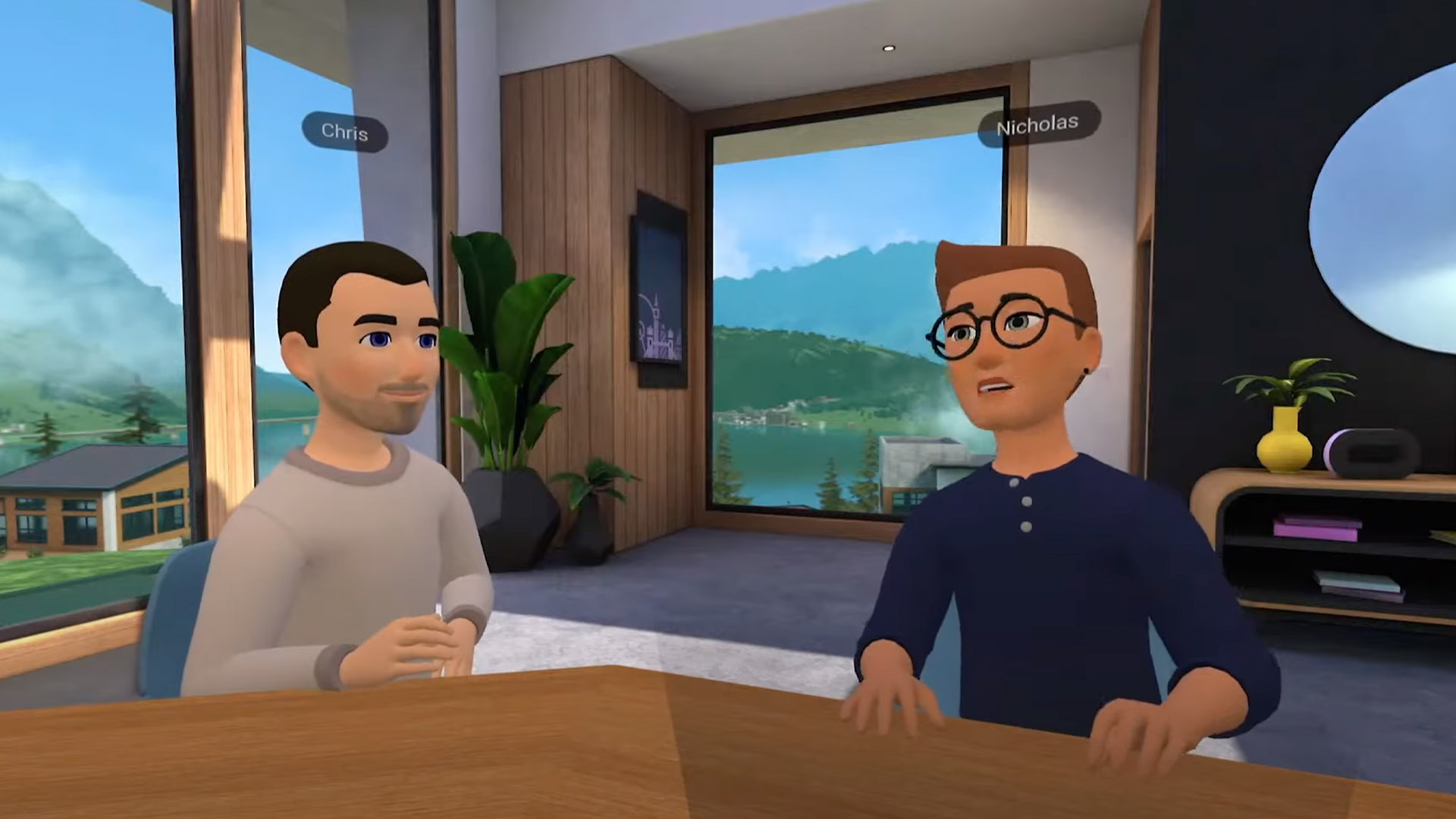
Jürgen Schmidt [JS]: Mic, I love our new virtual 3D office space! I feel as if I were sitting right next to you in a Schönbrunn Palace salon!
Michael Dosser [MD]: Not bad at all, is it? I’m also really enjoying my home-office “desk” on this beach in the Seychelles. My solar-powered RayBan VR sunglasses are incredible!
JS: It’s a bit warmer there than here in my alpine ski lodge, but here there is only fresh powder snow and blue skies. In any case, thanks to the metaverse and today’s 10G broadband mobile networks, we can do everything we used to do in person in Wien, and much more.
MD: Yes, it is remarkable how much we have evolved over the last 14 years! Do you remember 2021, when we traveled together to Web Summit in Lisbon?
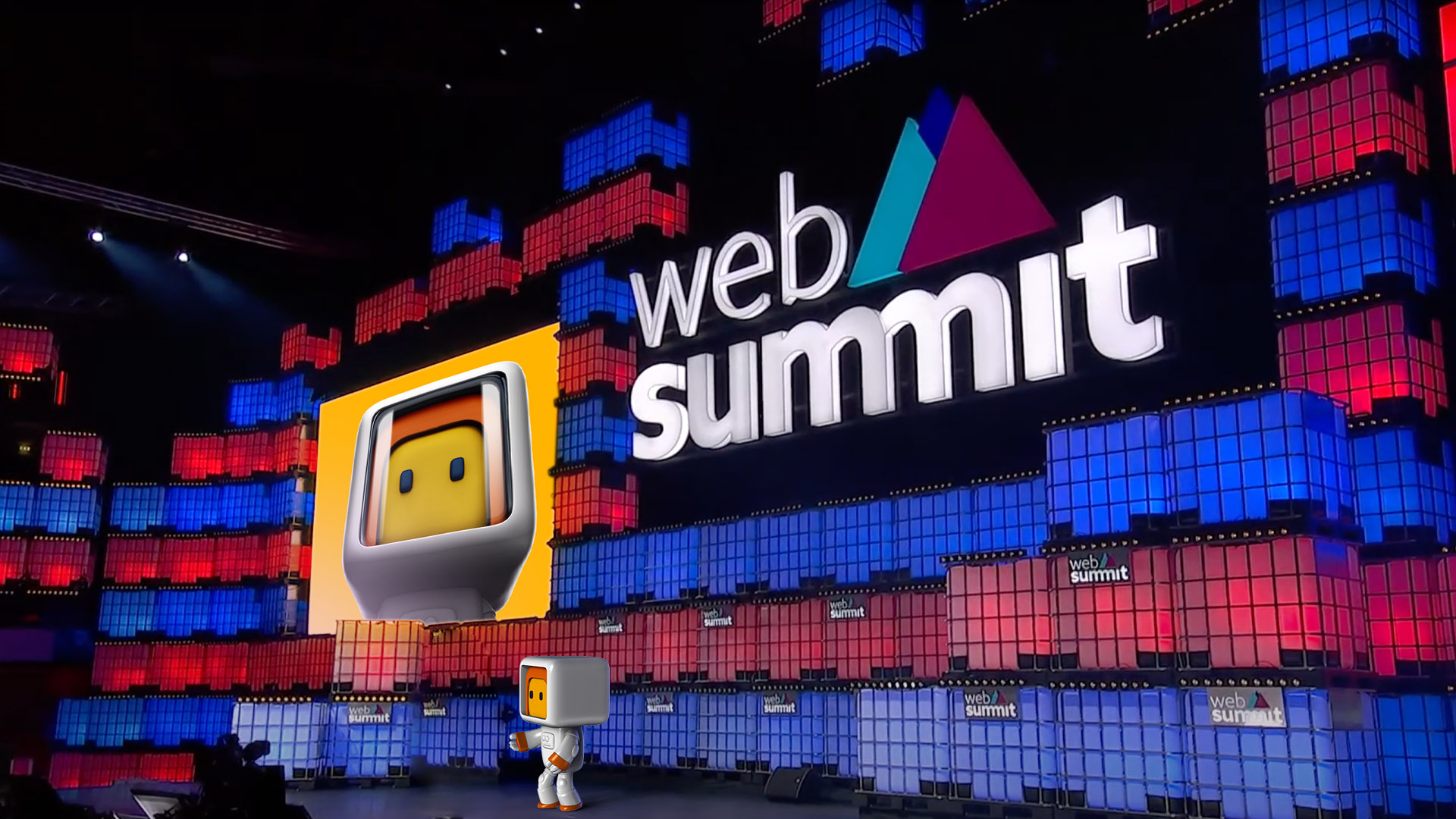
JS: It seems like an eternity ago, but it was such an inspiring event – the first major international tech conference we were able to attend after the COVID-19 pandemic had forced us all into a wave of lockdowns! All 45,000 attendees were so hungry to get out and meet people in person. The energy was incredible!
MD: That was definitely a difficult time. Yet as depressing as the pandemic was, it was a real catalyst for change! It forced us all to rethink the norms of society and our inefficient ways of living and working. We all had to adapt quickly and flexibly, and the business world realized that such a quantum leap is not so frightening or impossible.
JS: True, and the mood at Web Summit was cheerful and light – a sense of breakthrough, not only because the pandemic would soon be a thing of the past, but also because it was time to make even more progress on societal change, ethics, and diversity in the workplace. Web Summit inspired us technologists to wake up and really address the world’s biggest problems, rather than focusing only on our own profits.

MD: And lo and behold, our profits have never been as good as they are today, largely because of our investments in green technologies as well as research and development!
JS: Sure, and we were able not only to help address climate change, but also free the financial markets from traditional institutional control, give disadvantaged people around the world a voice, foster democratic civil society even in the poorest countries, give creators control over their content, convince companies to take on ethical responsibility for their activities…

MD: I’m just glad that all our research efforts in machine learning, which began 15 years ago, played such a major role in making all of this possible! Back then, we did not really know what this forward-looking research would enable. And Web Summit confirmed for me that we were on the right track by diversifying, becoming an agile services company, abolishing the hierarchical top-down management style and relying on our multi-talented employees for innovation.
JS: Web Summit 2021 really showed that women and minorities were finally able to gain a foothold in the tech industry dominated by white men. Women representing the world’s largest tech companies were on stage at almost every panel discussion and were such inspiring speakers. That motivated many younger women and minorities, to enter the tech industry, and since then more women than men have been hired!
MD: Not only in the technology sector. Remember how fortunate we were to witness the rise of Ayọ Tometi in politics.
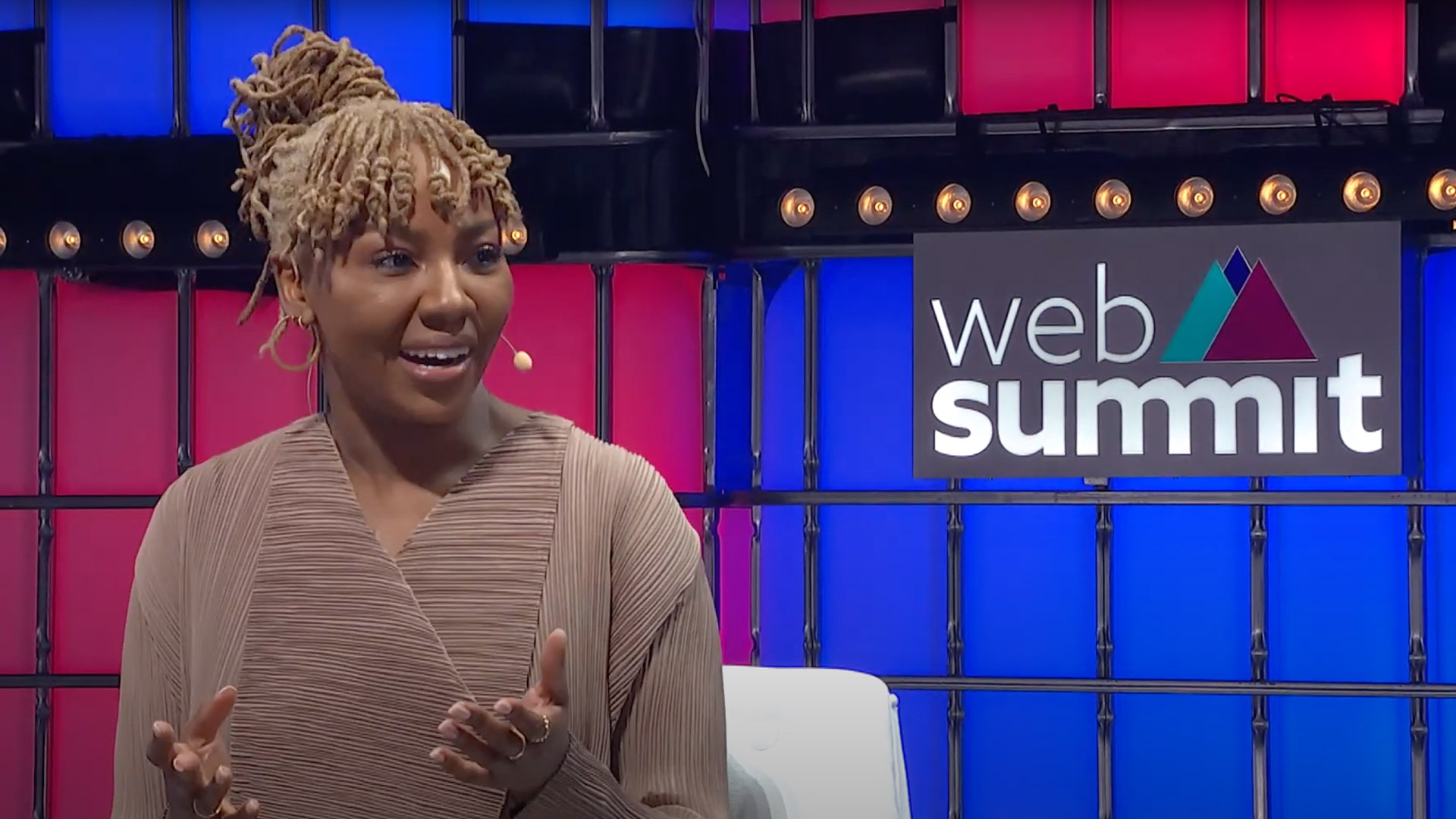
JS: I knew even then that she would become President of the United States when I heard her in Lisbon talk about how she helped organize the Black Lives Matter movement. She was convinced that technology can best be used to advance human rights. She not only convinced American voters, but also inspired many tech entrepreneurs and investors to get on board with social responsibility.
MD: 2021 was a real breakthrough year for technology. Before the COVID-19 pandemic, things like the virtual office, the development of mRNA vaccines, e-mobility etc. were only distant dreams. The lockdowns forced the world to adopt these things quickly, and those of us who were able to adjust to them did really well, while the laggards were left behind.
JS: Those lockdown mandates may have been the only noteworthy contribution the world’s politicians made. All their summits and agreements to reduce global warming were just hot air and empty promises. But once we had convinced the venture capitalists that investments in green technologies would be more profitable than supporting an economy dependent on fossil fuels, we were able to get climate change under control.
MD: By using predictive AI computing algorithms, mathematicians and data scientists were able to help investors better understand the impacts of climate change and recognize, where profits could be made, and in return they ultimately filled their portfolios with socially responsible technology investments.
JS: The supercomputing power of mathematics and AI was finally used for something more important than the zero-sum game of stock market forecasting. For years, predictive AI algorithms have been used for ecological purposes, e.g. to map ocean currents in order to support the cleanup of the huge floating islands of garbage, to automatically sort recyclable waste or for long-term weather forecasts in order to maximize investments in solar and wind energy or select the best locations for building high-tech carbon sinks.
MD: The best thing about Web Summit is that it is not a conference for marketing products or services. We never really attended the conference to network. But what makes this conference my favourite conference is the combination of inspiration and a serious deep dive into genuinely deep technical topics.
JS: Most conferences have only one or the other. That is why, since then, we have been taking more and more of our employees to the Web Summits so they really understand why we do what we do.
MD: By the way, did you get your invitation to Stephen Hawking's party on 29 June 2009 yet? Only we time travellers were invited. Will you be going?
JS: I would love to go, if only to prove that he was wrong about time travel being impossible, but my granddaughter asked if she could borrow my time machine that day. She wants to go to Falco's final concert.